The Federal Reserve just told us, in writing, that more rate hikes are coming. The minutes of its October 27–28 meeting — released Wednesday, November 18, at 2 p.m. ET — say almost all officials expect further increases in the federal funds rate, and traders now price a December hike as a near-certainty. If you carry a mortgage, a credit card balance, savings, or stocks, this one hits your wallet directly. Here is what the minutes actually said, and what it means for your money.
Key Takeaways
- The FOMC minutes, released November 18, say almost all Fed officials expect more rate hikes to bring inflation back to 2%.
- The Fed held its benchmark rate at 3.75%–4.00% in October, by a 10–2 vote — the two dissenters wanted a hike right then.
- Traders price a roughly 95% chance of a quarter-point hike at the December 8–9 meeting, taking the rate to 4.00%–4.25%.
- A couple of officials even raised the idea of a bigger-than-25-basis-point move in December if inflation data stays hot.
- The Fed also flagged the AI spending boom — more than $3 trillion in off-balance-sheet AI commitments — as a fresh inflation and financial-stability risk.
What the FOMC Minutes Actually Said
The sentence that moved markets is short and blunt. In the minutes of its October 27–28 meeting, the committee wrote that almost all participants judged further action to raise the target range “would likely be appropriate, in order to ensure a timely return of inflation to the 2 percent objective.” That is about as clear as the Fed gets: the October hold was a pause, not a stop.
The vote itself told the same story. The Fed held the rate at 3.75%–4.00% by a 10–2 vote, with Governor Lisa Cook and Cleveland Fed President Beth Hammack dissenting because both preferred a quarter-point increase on the spot. And the minutes reveal the hawkish camp was bigger than the two dissenters — some participants had favored a 25-basis-point increase at the October meeting itself. A couple went further, saying a more than 25 basis points could warrant consideration in December if incoming inflation data proved unfavorable.
There was also an unusual guest in the minutes: artificial intelligence. The Fed’s November Financial Stability Report flagged more than $3 trillion in off-balance-sheet AI commitments, and almost all participants commented on the risks if the returns on that AI investment disappoint. The AI boom is now officially a Fed worry — both as an inflation driver and as a financial-stability risk.
Why the Fed Is Turning Hawkish Again
The numbers explain the tone. October CPI came in at +0.4% overall and +0.3% on a core basis — the third straight month at 0.3% — and both readings were hotter than forecast. Fed staff estimated total PCE inflation at 3.6% over the 12 months to September, with core PCE at 3.1%. That is a long way from the Fed’s 2% target, and it is why officials keep talking about hikes instead of cuts. One catch: the minutes cover a meeting held before that hot CPI print landed, so the committee was already leaning hawkish before the latest data.
Fed officials have stopped whispering about it. Governor Christopher Waller said on Wednesday that the Fed may need to “shock people” with a half-point hike in December, warning that inflation is “headed in the wrong direction” and that nearly 70% of items in the core services basket are rising faster than 3%. St. Louis Fed President Alberto Musalem sees as much as a full percentage point of increases by spring 2027. The market has heard them: CME FedWatch pricing puts a December quarter-point hike at roughly 92–96%, with more than 80 basis points of tightening priced in through September 2027. No December cut is priced in at all.
What a December Hike Means for Your Money
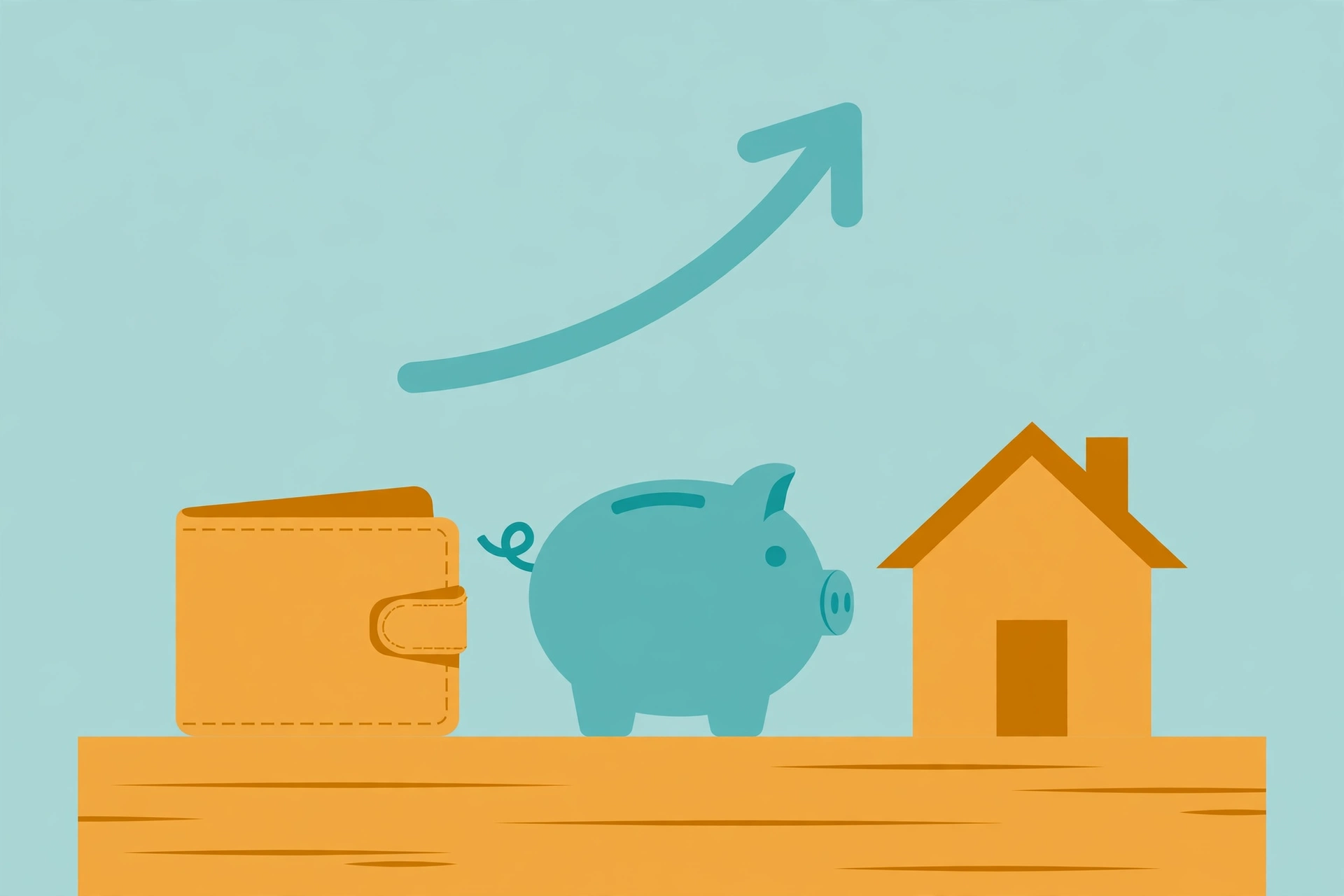
Here is the part that lands in your bank account. A December hike to 4.00%–4.25% would push borrowing costs higher across the board — and give savers a small raise.
- Mortgages: mortgage rates track the 10-year Treasury yield, which is hovering near 5.1%, so a hike keeps home loans expensive. If you are buying, our mortgage rates this week guide explains what borrowers should watch.
- Credit cards: card APRs move with the Fed, so balances get pricier fast. Paying down high-interest debt before December is the single smartest move most people can make — start with our personal finance for beginners guide if you need a plan.
- Savings: the flip side is good news. Higher rates usually mean better yields on savings accounts, so check whether your bank is actually passing the higher rate on to you.
- Stocks: markets hate surprises, and they got a hawkish one. The S&P 500 just posted its fourth straight daily loss and its lowest close since late July — our stock market today post has the full picture. Even Nvidia’s $115.8 billion revenue beat could not hold the stock up. And Anthropic’s IPO starts trading Thursday right into this choppy market.
- Housing and retirement: housing starts jumped 9.9% in October even as permits fell, so the housing market is sending mixed signals — our real estate investing for beginners guide covers how rates shape property returns. And remember, inflation quietly eats fixed incomes too — the Social Security trust fund faces its own math problem for the same reason.
What to Watch Next
The story is not over — the next three weeks decide whether December brings a quarter point or a half point. Friday brings the payrolls print, the November jobs report lands December 4, and the Fed decides on December 9 at 2 p.m. ET, with fresh economic projections and a new dot plot. November CPI follows on December 10. If the jobs and inflation data stay hot, Waller’s 50-basis-point idea gets a lot more serious. If they cool, the Fed can stick to the quarter point everyone expects.
“Almost all participants judged that further action to raise the target range for the federal funds rate would likely be appropriate, in order to ensure a timely return of inflation to the 2 percent objective.” — Minutes of the FOMC, October 27–28, 2026
Bottom Line
The October hold fooled nobody — not even the Fed. The minutes say more hikes are coming, the market says December is a near-certainty, and the only real debate left is 25 or 50 basis points. For your money, the playbook is simple: kill expensive debt first, make sure your savings actually earn the higher rate, and do not panic-sell stocks on a headline. The Fed has told you its plan. Use it.
Rates and figures as of November 18, 2026 — verify before acting. This article is for education only and is not financial advice. Investing involves risk, including losing money. Do your own research or talk to a licensed financial advisor before investing.
Read Next
1 thought on “FOMC Minutes November 2026: Fed Signals More Rate Hikes — What It Means for Your Money”